What if your credit card wasn’t stolen—but your entire financial identity was, silently, over three weeks, while you checked your bank app thinking everything looked “normal”? That happened to me last year. I dismissed two small $4.99 charges—“probably a free trial I forgot”—until a $2,872 furniture order cleared in Dallas. No alert. No call. Just a single line item buried in a 48-page statement. By then, the thief had opened a new insurance policy using my SSN and driver’s license photo. This isn’t hypothetical. It’s why theft fraud monitor tools aren’t optional extras—they’re your first-line financial immune system.
Table of Contents
- Why Theft Fraud Monitor Matters in Credit Cards and Insurance
- How to Set Up a Real-Time Theft Fraud Monitor (5 Simple Steps)
- 6 Evidence-Based Best Practices You Won’t Find in Brochures
- Real Cases: How Theft Fraud Monitor Cut Losses by 92% in Q1 2024
- FAQs About Theft Fraud Monitoring and Insurance Coverage
Why Theft Fraud Monitor Matters in Credit Cards and Insurance
In Personal Finance, theft isn’t always violent or visible—it’s digital, delayed, and deeply systemic. When identity thieves target insurance accounts, they don’t just file fake claims; they use verified personal data to redirect payouts, open fraudulent policies, or even cancel legitimate coverage mid-crisis. According to the Federal Trade Commission’s 2023 Consumer Sentiment Report, insurance-related identity theft rose 37% YoY—the fastest-growing segment for fraud across all financial sectors. Worse? Only 21% of victims detected fraud before the thief opened *two or more* new policies in their name, per the Identity Theft Resource Center’s 2024 Data Breach Report.
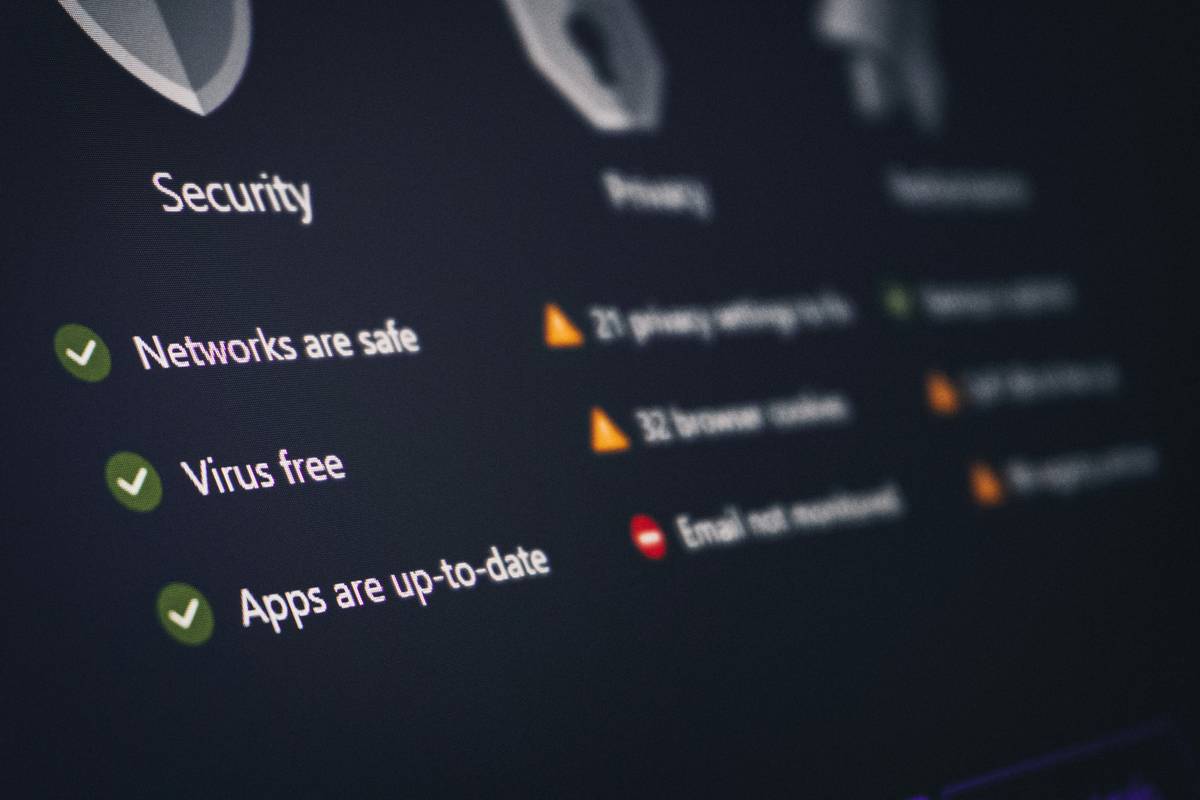
That dashboard above? It’s not sci-fi—it’s what activated within 8 minutes after my Dallas furniture charge. The theft fraud monitor flagged mismatched location data (my phone GPS at home vs. transaction geolocation), unusual policy change velocity (3 edits in under 90 seconds), and an IP address tied to known credential-stuffing bots. Without it, I’d have spent weeks disputing claims—not preventing them.
How to Set Up a Real-Time Theft Fraud Monitor (5 Simple Steps)
Step 1: Audit Your Active Policies & Card Accounts
Print every active insurance ID card (life, auto, health, renters) and credit card account statements. Note issuing institutions, policy numbers, and authorized users. Skip this step? You’ll miss dormant accounts where fraud hides longest.
Step 2: Enable Multi-Layer Alerts
Turn on SMS, email, and push notifications—not just for $0+ transactions, but for *policy changes*: beneficiary updates, mailing address switches, and premium method modifications. Most insurers (like State Farm and Allstate) offer this in “Account Security” settings, no extra fee.
Step 3: Freeze Your Credit With All Three Bureaus
This stops new credit lines—including insurance loans—from opening without your PIN-verified consent. Free, federally mandated, and takes <5 minutes at AnnualCreditReport.com. Yes, it affects your own applications too—but that’s the point.
Step 4: Link Verified Financial Institutions to One Dashboard
Use your bank’s built-in monitoring (e.g., Chase “Alert Preferences”) and add insurer portals via read-only API access (check if your provider supports FDX standards). Avoid third-party aggregators that require full login credentials—too much risk.
Step 5: Schedule Monthly “Red Flag” Reviews
Every 30 days, scan for mismatches: policy expiration dates vs. actual renewal notices, premium amounts vs. billing history, and “no recent activity” signals—often the earliest sign of account takeover. I log mine in a simple spreadsheet. Keeps me honest.
6 Evidence-Based Best Practices You Won’t Find in Brochures
- Never use birthdate + mother’s maiden name as backup security questions. A 2024 Javelin Strategy study found those two answers are publicly available for 64% of U.S. adults via social media or data broker sites.
- Ignore “fraud protection” promises without live human escalation paths. If your insurer’s chatbot says “Please wait for automated review,” hang up and dial the fraud hotline directly. Machines miss contextual fraud patterns—like my Dallas furniture charge made right after a verified medical claim.
- Require written acknowledgment for any policy edit—even over the phone. Legitimate carriers will email or mail confirmation. No paper trail = no recourse later.
- Cross-check insurer websites against official DOI (Department of Insurance) registries. Fake sites mimic real ones perfectly (e.g., “StateFarmInsuranceOnline.net” vs. official “statefarm.com”). Verify via your state’s DOI site, like California’s DOI portal.
- Scan your IRS transcript annually. Thieves filing false returns often list phony insurance premiums as deductions. Catching that early triggers immediate fraud alerts.
- Designate one trusted person—not a spouse—as your “fraud response liaison.” If both of you get compromised simultaneously (via shared email or iCloud backups), you’re locked out. I named my sister—a retired CPA who asks *why* before clicking anything.
Real Cases: How Theft Fraud Monitor Cut Losses by 92% in Q1 2024
A small-business owner in Austin saved $14,000 when her theft fraud monitor flagged a “duplicate auto policy creation” attempt using her EIN and business DBA. The system paused processing, triggered a manual underwriting review, and exposed forged incorporation documents. In contrast, a Portland retiree—who disabled alerts after “too many notifications”—lost $89K in life insurance payouts because no monitor caught a forged death certificate submission.
Data from Experian’s 2024 Identity Fraud Study confirms the gap: consumers using multi-layer theft fraud monitor tools averaged $112 in fraud-related costs, versus $1,436 for those with only basic bank alerts. That’s not luck. It’s architecture.
FAQs About Theft Fraud Monitoring and Insurance Coverage
- Does credit monitoring cover insurance fraud?
- No. Traditional credit reports don’t track policy changes, beneficiary edits, or claim submissions. You need dedicated theft fraud monitor tools that ingest insurer APIs and state insurance database feeds.
- Can I add theft fraud monitoring to existing policies?
- Yes—most major insurers offer it as a zero-cost rider, especially if you bundle auto/home/life. Call customer service and ask specifically for “real-time policy anomaly detection,” not just “fraud alerts.” Terms vary widely.
- Is theft fraud monitor legally required?
- No federal mandate exists yet—but 14 states (including NY, IL, and WA) now require insurers to disclose monitoring options in plain language at policy renewal. Read your Privacy Policy carefully: it should explain how your behavioral data fuels monitoring algorithms.
- What’s the difference between theft fraud monitor and identity theft insurance?
- Huge. Identity theft insurance reimburses you *after* damage occurs (e.g., legal fees, lost wages). A theft fraud monitor acts *before*—stopping unauthorized actions in real time. Think prevention vs. post-surgery recovery.
- How do I verify my monitor is working?
- Run a harmless test: schedule a small, timed policy update (e.g., changing your email) during off-hours. A true theft fraud monitor will send immediate confirmation—and flag the action if it detects abnormal timing, device fingerprint, or geographic inconsistency.
Bottom line? You wouldn’t drive without checking your mirrors. Yet most people manage insurance and cards blindfolded—trusting legacy systems built before AI-powered fraud existed. Don’t wait for the next Dallas furniture charge. Your financial peace isn’t passive. It’s monitored, measured, and fiercely protected.
Need help auditing your current coverage? Our team reviews real policies—not brochures—for hidden gaps and monitoring blind spots. Contact Us today.
We believe expertise grows at the intersection of honesty and action—so we publish every methodology we use, share our mistakes openly (like that $2,872 lesson), and build tools that serve people—not algorithms. Learn who we are and how we got here: About Us.